
Are you looking for ways to lower your omega-3 and omega-6 fatty acid ratio? Maybe your doctor has ordered some lifestyle changes, or perhaps you are self-motivated to see your diet improve. Whatever the case, pasture-raised eggs’ omega-3 to omega-6 ratio is much lower compared to regular caged eggs, making them a staple to incorporate into your diet.
What Are Omega-3 and Omega-6 Fatty Acids?
Omega-3 fatty acids (polyunsaturated fats) are healthy fats that can reduce inflammation, help brain function, and maintain heart health. They are divided into three types: ALA (Alpha-Linolenic Acid), EPA (eicosapentaenoic acid), and DHA (Docosahexaenoic Acid). We receive ALA through things like flaxseeds, chia seeds, and walnuts. ALA provides limited benefit, as it must be converted into EPA and DHA before the body can use it efficiently. EPA and DHA are best received through consuming fish. EPA supports heart health and helps reduce inflammation; DHA supports eye health, brain development, and cognitive function.
Omega-6 fatty acids (polyunsaturated fats) support immune health, inflammation, and growth. They are divided into two types—linoleic Acid (LA) and Arachidonic Acid (AA)—and we consume them through nuts and vegetable oils (LA) and meat and eggs (AA).
Omega-6 fatty acids (polyunsaturated fats) support immune health, inflammation, and growth. They are divided into two types—linoleic Acid (LA) and Arachidonic Acid (AA)—and we consume them through nuts and vegetable oils (LA) and meat and eggs (AA).
Biomedical And Pharmacotherapy: Why the Omega-3:Omega-6 Ratio Matters

In the west, folks have a major imbalance in their omega-3 to omega-6 ratios. The journal Biomedical and Pharmacotherapy published that westerners keep a lifestyle omega-6:omega-3 ratio anywhere from 15/1-16.7/1, which is not healthy. Devastatingly, the overconsumption of omega-6 is worsening our health crisis, since higher omega-6 to omega-3 ratios are linked to increased risks of cancer, cardiovascular disease, and inflammatory and autoimmune conditions. On the flip side, when omega-3 fatty acid content increases and creates a more balanced ratio, it “exerts suppressive effects.” In other words, it helps to reduce these diseases.
When our omega-6:omega-3 ratio becomes excessively high, our health suffers. But research published by Biomedical and Pharmacotherapy recorded that when people decreased their ratio to 4:1, mortality rates dropped by 70 percent.
When our omega-6:omega-3 ratio becomes excessively high, our health suffers. But research published by Biomedical and Pharmacotherapy recorded that when people decreased their ratio to 4:1, mortality rates dropped by 70 percent.
Do Pasture-Raised Eggs Contain Omega-3?
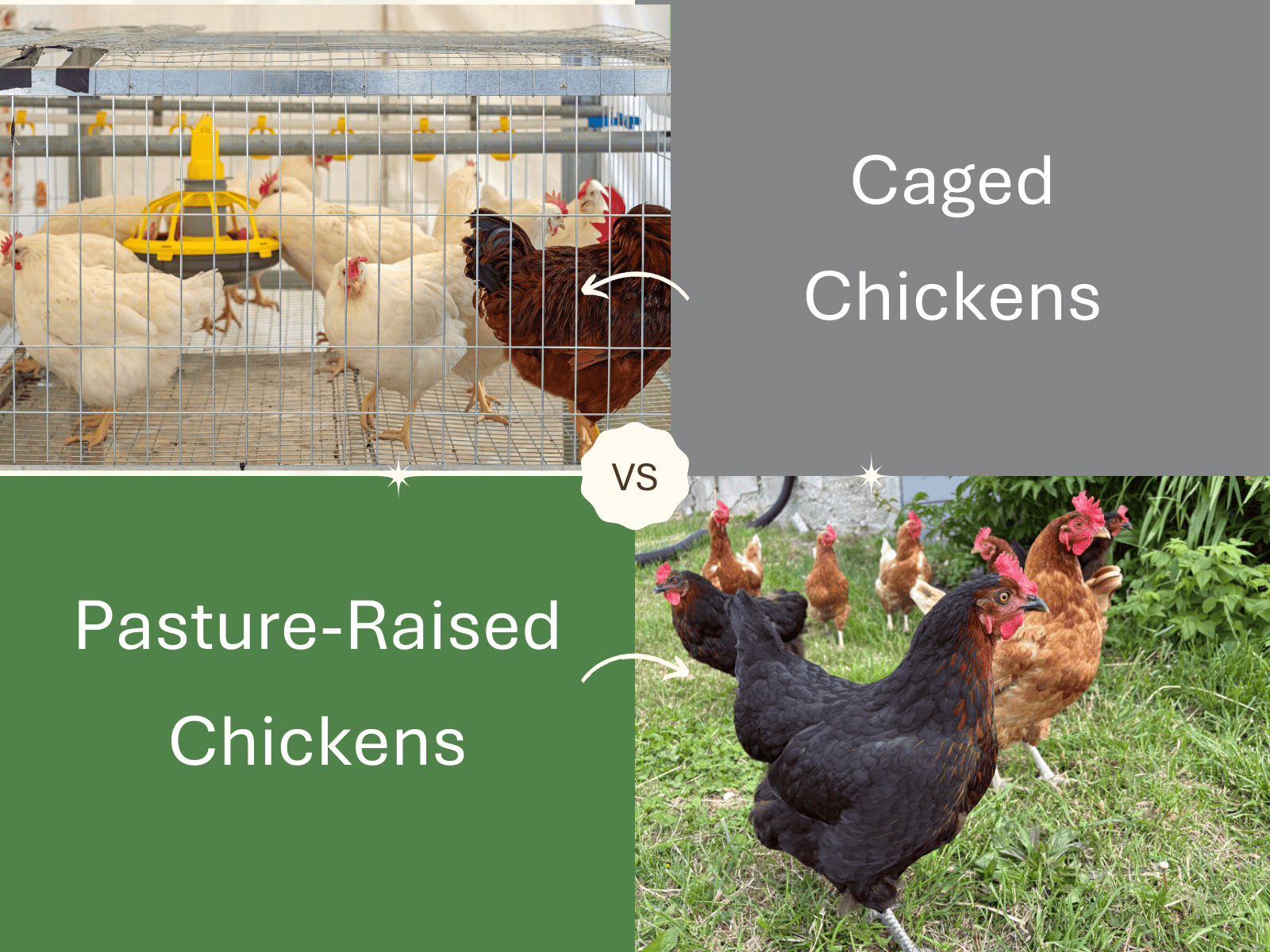
Yes, pasture-raised eggs contain omega-3. Let’s explain how we know this to be true. Through research published by Foods (a peer-reviewed scientific journal), the eggs from three groups of hens: pasture-raised hens given GFB suet and liver within their corn-free and soy-free diet; pasture-raised hens given soy and corn feed; and finally, cage-free commercial hens. The study found that eggs from both groups of pasture-raised eggs had 5-10 times lower omega-3 to omega-6 ratio than those from the cage-free hens.
Penn State University has researched this very thing. In their study, they divided 75 hens between three different areas – alfalfa, red & white clover, and mixed cool-season grasses – and rotated them between these locations every two weeks for six weeks. Pastured hens were also given a supplement of commercial hen mash chicken feed. These chickens were compared to 50 caged hens who only received commercial hen mash. What were the results? Pasture-raised eggs had less than half the ratio of omega-6 to omega-3 fatty acids, a significant finding.
Penn State University has researched this very thing. In their study, they divided 75 hens between three different areas – alfalfa, red & white clover, and mixed cool-season grasses – and rotated them between these locations every two weeks for six weeks. Pastured hens were also given a supplement of commercial hen mash chicken feed. These chickens were compared to 50 caged hens who only received commercial hen mash. What were the results? Pasture-raised eggs had less than half the ratio of omega-6 to omega-3 fatty acids, a significant finding.

Pasture-Raised Eggs: Omega 3:6 Ratio Benefits
When you choose to eat pasture-raised eggs, you receive the following health benefits:
1. Significantly lower omega-3:omega-6 ratio
2. Help for chronic digestive disorders
3. Decrease inflammation
4. Help prevent the development of chronic diseases
5. Support for those with breast cancer
1. Significantly lower omega-3:omega-6 ratio
2. Help for chronic digestive disorders
3. Decrease inflammation
4. Help prevent the development of chronic diseases
5. Support for those with breast cancer
How to Get Eggs High in Omega-3
In short, shop for local, pasture-raised eggs to get a high content of omega-3.
Through research done by Penn State, we see that pastured eggs have a significantly higher concentration of omega-3 fatty acids. In fact, in their experiment, they found that the amount of omega-3 fatty acids in pastured eggs was more than double compared with caged eggs.
Similarly, according to Colombia University, when organic, free-range eggs are from hens that have a steady diet of algae, flaxseed, and fish oils, the omega-3 intake from each egg can be raised from 30 mg to 100-600mg. When possible, we recommend buying pasture-raised eggs that come from hens with this diet.
If you don’t have access to eggs straight from farms with pasture-raised hens, look for labels like “omega-3 enriched” or “pasture-raised.”
Through research done by Penn State, we see that pastured eggs have a significantly higher concentration of omega-3 fatty acids. In fact, in their experiment, they found that the amount of omega-3 fatty acids in pastured eggs was more than double compared with caged eggs.
Similarly, according to Colombia University, when organic, free-range eggs are from hens that have a steady diet of algae, flaxseed, and fish oils, the omega-3 intake from each egg can be raised from 30 mg to 100-600mg. When possible, we recommend buying pasture-raised eggs that come from hens with this diet.
If you don’t have access to eggs straight from farms with pasture-raised hens, look for labels like “omega-3 enriched” or “pasture-raised.”
Comparing Conventional Eggs with Pasture-Raised Eggs
To give you a visual of all the data, numbers, and research we have synthesized into this blog, check out this table.
| Research Source | Conventional Eggs | Pasture-Raised Eggs |
| Penn State University | Lower amount of omega-3, leading to a higher ratio | Ratio was less than half that of conventional eggs Two times or more omega-3 |
| Foods (Journal) | Higher ratio | 5-10 times lower ratio than conventional eggs |
| Colombia’s Pancreas Center | 30 mg of omega-3 | (organic, free-range with specific supplements) 100-600 mg of omega-3 |
5 Practical Tips For Incorporating Pasture-Raised Eggs With A Low Omega-3:6 Ratio

Below are several practical suggestions for increasing pasture-raised eggs into your diet.
1. Keep hard-boiled eggs in the fridge so you can grab one on the go or slice one to add to a salad.
2. Leave the conventional, and look for pastured eggs instead, or go to your local farmers market.
3. Fry your eggs in avocado, coconut, or olive oil to avoid omega-6 in corn or soybean oil.
4. Make scrambled or fried eggs for breakfast several mornings a week.
5. Try Breakfast for Dinner one evening a week, and consider making something more hearty like an egg casserole, french toast, frittata, quiche or omelets. Mix it up each week to add variety and enjoyment to your menu, all while boosting your family’s omega-3:omega-6 ratio.
1. Keep hard-boiled eggs in the fridge so you can grab one on the go or slice one to add to a salad.
2. Leave the conventional, and look for pastured eggs instead, or go to your local farmers market.
3. Fry your eggs in avocado, coconut, or olive oil to avoid omega-6 in corn or soybean oil.
4. Make scrambled or fried eggs for breakfast several mornings a week.
5. Try Breakfast for Dinner one evening a week, and consider making something more hearty like an egg casserole, french toast, frittata, quiche or omelets. Mix it up each week to add variety and enjoyment to your menu, all while boosting your family’s omega-3:omega-6 ratio.
Pasture-Raised Eggs | One Practical Step Toward Better Health
Why is it important to understand the omega-3:omega-6 ratio? In western society, diets tend to lean heavily toward a high omega-6:omega-3 ratio, leading to heart disease, high inflammation, autoimmune diseases and the like. Eating to boost a healthy omega-3:omega-6 ratio will help lessen your risk for certain diseases. Due to pasture-raised hens’ natural diet and outdoor access, pasture-raised eggs have been proven through many viable studies to have a significantly improved ratio of these important fats. This is why choosing pasture-raised eggs over conventional eggs is one simple step you can take toward boosting your omega-3s, contributing toward overall health over time.
Citations in this Article:
Biomedical and Pharmacotherapy. https://www.sciencedirect.com/science/article/abs/pii/S0753332202002536?via%3Dihub.
The Center for Genetics, Nutrition and Health. https://pubmed.ncbi.nlm.nih.gov/12442909/.
Columbia University. https://columbiasurgery.org/news/2017/05/12/organic-omega-3-free-range-all-you-need-know-about-eggs.
Foods. https://pmc.ncbi.nlm.nih.gov/articles/PMC9658713/.
Penn State University. https://www.nal.usda.gov/exhibits/ipd/frostonchickens/exhibits/show/eggproduction/item/267, https://www.psu.edu/news/agricultural-sciences/story/research-shows-eggs-pastured-chickens-may-be-more-nutritious.