

Ever wonder if pasture-raised eggs are safe to eat raw? Maybe you enjoy cooking at home and want to make homemade mayonnaise or eggnog for the holidays – all of which call for raw eggs. In this article, we answer that very question by looking at digging into the research on the subject.
Are Pasture Raised Eggs Safe To Consume Raw?

In short, no, pasture raised eggs are not safe to consume raw. According to The Nutrition Source, a research department at Harvard University, all eggs should be cooked thoroughly, reaching an internal temperature of 160 degrees Fahrenheit. However, if you want to make a recipe that calls for uncooked eggs and use pasture-raised eggs, you must ensure they are fully pasteurized and treated to destroy harmful bacteria.
It can be tricky to find pasteurized shell eggs. But if you are okay with egg products such as liquid eggs, those are pasteurized and safe to eat raw.
It is also worth mentioning that some farmers like Joel Salatin of Polyface farms don’t believe that eggs that are carefully produced pose any serous pathogenic risks. For more on that, you can read the following article.
It can be tricky to find pasteurized shell eggs. But if you are okay with egg products such as liquid eggs, those are pasteurized and safe to eat raw.
It is also worth mentioning that some farmers like Joel Salatin of Polyface farms don’t believe that eggs that are carefully produced pose any serous pathogenic risks. For more on that, you can read the following article.
Are Backyard Chicken Eggs Safe to Eat Raw?
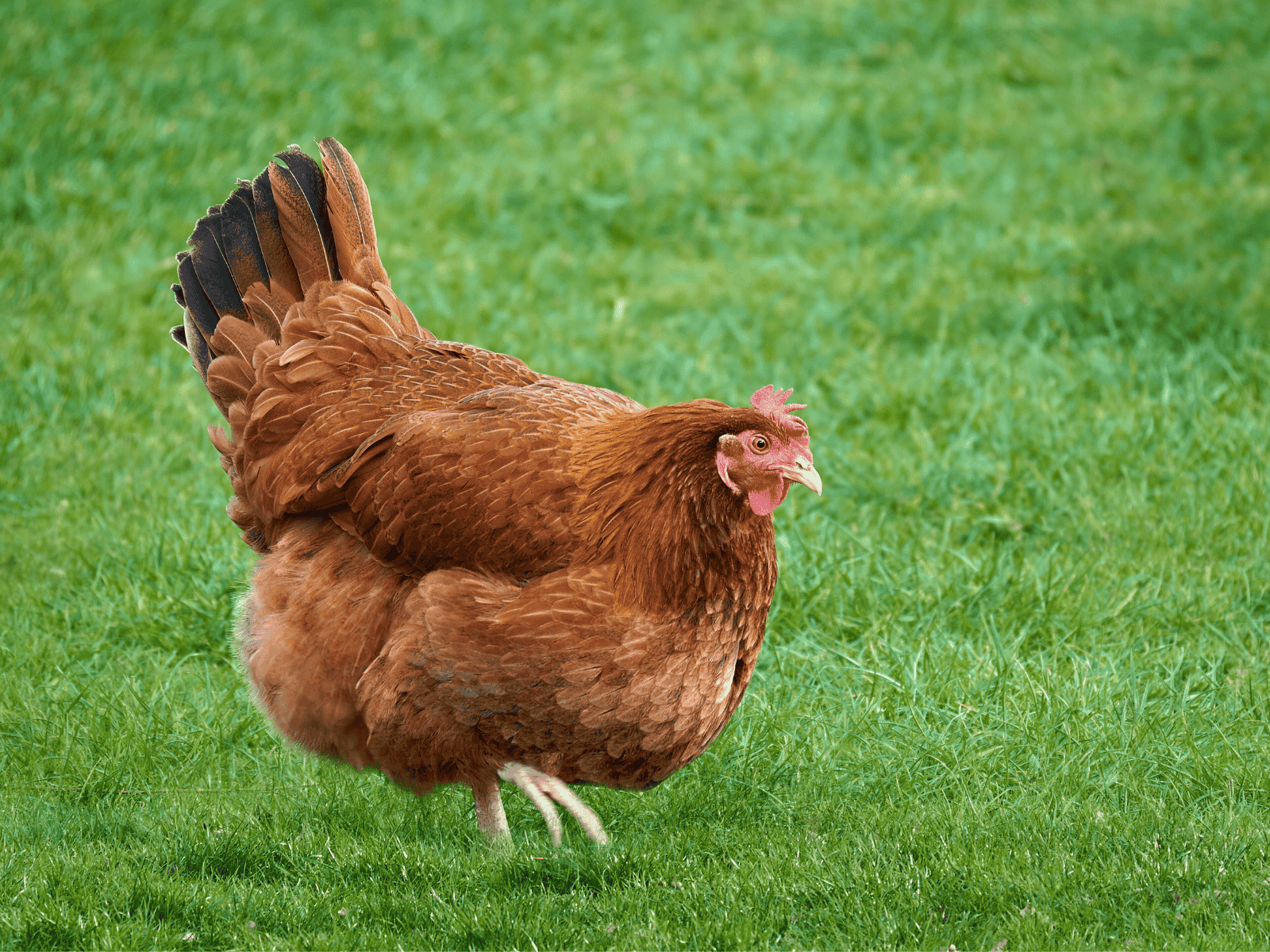
This is an excellent question. In short, no. While backyard chicken eggs are delicious and nutritious, they should be fully cooked because they may contain harmful bacteria like Salmonella. Penn State University has researched the presence of Salmonella in eggs from small flocks of chickens. They took a few dozen eggs from 240 different locations and performed tests on each one. Their results found that two percent of the eggs were positive for salmonella enteritidis. While it may not sound like a high percentage, the risk is there, nonetheless.
Additionally, Microbiology Spectrum published peer-reviewed research to determine the microbiome composition in the environment surrounding commercially raised systems and backyard chicken set-ups. (While this study was not related directly to the eggs on each farm, the results are still important to address in this conversation.) They found a more consistently uniform microbiome presence in the commercial chicken system, whereas the backyard chicken operations had the highest microbiome diversity and potentially harmful bacteria. It can be inferred from this study that one must be careful about consuming raw eggs from backyard chicken farms.
Additionally, Microbiology Spectrum published peer-reviewed research to determine the microbiome composition in the environment surrounding commercially raised systems and backyard chicken set-ups. (While this study was not related directly to the eggs on each farm, the results are still important to address in this conversation.) They found a more consistently uniform microbiome presence in the commercial chicken system, whereas the backyard chicken operations had the highest microbiome diversity and potentially harmful bacteria. It can be inferred from this study that one must be careful about consuming raw eggs from backyard chicken farms.
Are Unpasteurized Eggs Safe to Eat Raw?
No, unpasteurized eggs are not safe to eat raw. The U.S. Department of Agriculture (USDA) strongly warns against consuming raw eggs, including both egg yolks and whites. Additionally, they recommend staying away from food products that include raw or unthoroughly cooked eggs, such as homemade mayonnaise, drinks, or ice cream. Salmonella enteritidis is something that anyone may be harmed by, but it more readily affects pregnant women, children, older adults, and folks with weakened immune systems.
What Eggs Are Safe to Eat Raw?
This question deserves a bit of a nuanced answer. The USDA strongly recommends that raw eggs should not be consumed at all. This includes all unpasteurized eggs: caged, free-range, cage-free, and pasture-raised eggs. However, if eggs are pasteurized and treated to destroy harmful bacteria, then they are safe to use in recipes calling for raw eggs. When you have pasteurized eggs, you can start making all the recipes calling for raw eggs: mayonnaise, eggnog, etc!

How Long Are Farm Fresh Eggs Safe to Eat?
Maybe you love farm-fresh eggs, but get tired of shopping and want to know how long you can keep eggs in good condition. Farm-fresh eggs are safe to eat for 4-5 weeks after you buy them. According to The University of Minnesota, you must keep them refrigerated in the coldest section of your fridge (i.e. they should not be placed on the fridge door since it loses cold air from being opened often). Even if the “sell by” date on the box has passed, as long as they are refrigerated for the entire time, you can eat them up to 5 weeks after you purchased them.
Frequently Asked Questions
Are Pasture-Raised Eggs Pasteurized?
Unless you see it specifically written on the carton, you can assume that your pasture-raised eggs are not pasteurized. As a general practice, pasture-raised eggs come from regenerative farms that do not practice pasteurization. Most times, pasteurization occurs for egg products (i.e., powdered eggs, scrambled eggs, and liquid eggs), not shell eggs (the whole egg in the shell that comes by the carton).

Do Pasture-Raised Eggs Need To Be Pasteurized?
No. The FDA does not require that eggs, including pasture-raised eggs, be pasteurized. However, they take the spread of Salmonella very seriously. For farms with 3,000 or more laying hens, certain rules concerning biosecurity, pest control, egg sanitation, and refrigeration are enforced, inspected, and audited to ensure safety for all.
As an example, Vital Farms, an integrator of pasture-raised eggs that are routinely audited by Certified Humane and other agencies, does not pasteurize its pasture-raised eggs.
As an example, Vital Farms, an integrator of pasture-raised eggs that are routinely audited by Certified Humane and other agencies, does not pasteurize its pasture-raised eggs.
Summing It Up
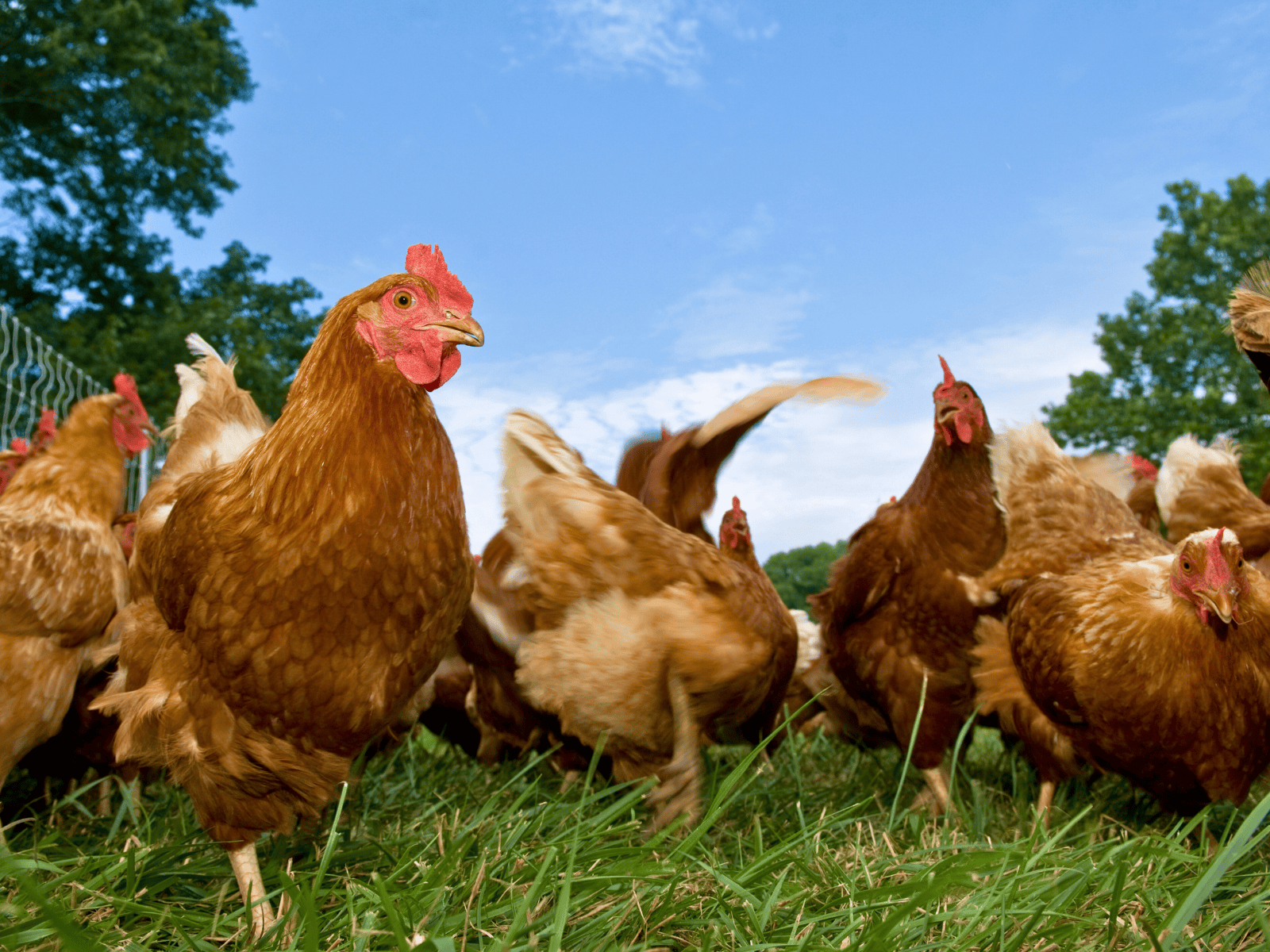
While pasture-raised eggs offer many benefits, they are not considered safe to eat raw unless they are pasteurized. Experts agree that cooking eggs fully is the safest option to reduce the risk of harmful bacteria like Salmonella. If a recipe calls for raw eggs, using pasteurized egg products is the safest choice.
Citations in this Article:
ASM Journals. https://journals.asm.org/doi/full/10.1128/spectrum.01682-23.
Food Renegade. https://www.foodrenegade.com/why-im-not-afraid-of-salmonella/.
Penn State University. https://www.psu.edu/news/research/story/eggs-small-flocks-more-likely-contain-salmonella-enteritidis?.
The Nutrition Source. https://nutritionsource.hsph.harvard.edu/food-features/eggs/.
University of Minnesota Extension. https://extension.umn.edu/preserving-and-preparing/handling-eggs-prevent-salmonella.
USDA. https://www.fsis.usda.gov/food-safety/safe-food-handling-and-preparation/eggs/shell-eggs-farm-table.