
Have you ever wondered: are pasture-raised eggs more nutritious than other eggs? If so, you’re in the right place. In this article, we’ll dive into the research on pasture-raised egg nutrition.
Do Pasture-Raised Eggs Have Better Nutritional Value?
The short answer is yes. Well-documented studies have been conducted to show that pasture-raised eggs have better nutritional value than conventionally raised eggs.
We should also take into account that a study has revealed some differences in nutritional content between pasture-based layer operations in different locations. This study additionally showed that different times of the year brought variations in nutrient results. We will discuss these details later in the blog but it is important to keep this in mind as you review the following research results. However, even in light of these contrasts, the final conclusion remains unchanged that pasture-raised eggs are more nutritional than regular eggs.

Take a Look at the 6 Ways Pasture-Raised Eggs Are More Nutritious
1. More Long-Chain Omega-3 Content
Through a study comparing pasture-raised eggs and conventionally raised eggs, Penn State University concluded that pasture-raised eggs had twice the amount of long-chain omega-3 content and more than double the omega-3 fatty acids.
2. Lower Omega-6:Omega-3 Ratio
Many Americans suffer from a skewed omega-6:omega-3 ratio. The good news is that pasture-raised eggs could help improve that. According to research by Penn State University and other peer-reviewed studies, pasture-raised eggs have double the amount of omega-3 fatty acids, contributing to an overall healthier ratio.
We’ve written more about the improved omega-3:omega-6 ratio in pasture-raised eggs if you’d like to read more.
We’ve written more about the improved omega-3:omega-6 ratio in pasture-raised eggs if you’d like to read more.
3. Higher Vitamin A
A test funded by the Sustainable Agriculture Research and Education program of the USDA examined pasture-raised eggs in Pennsylvania and found that they had 33 percent more vitamin A compared with eggs from other sources.
4. More Vitamin E
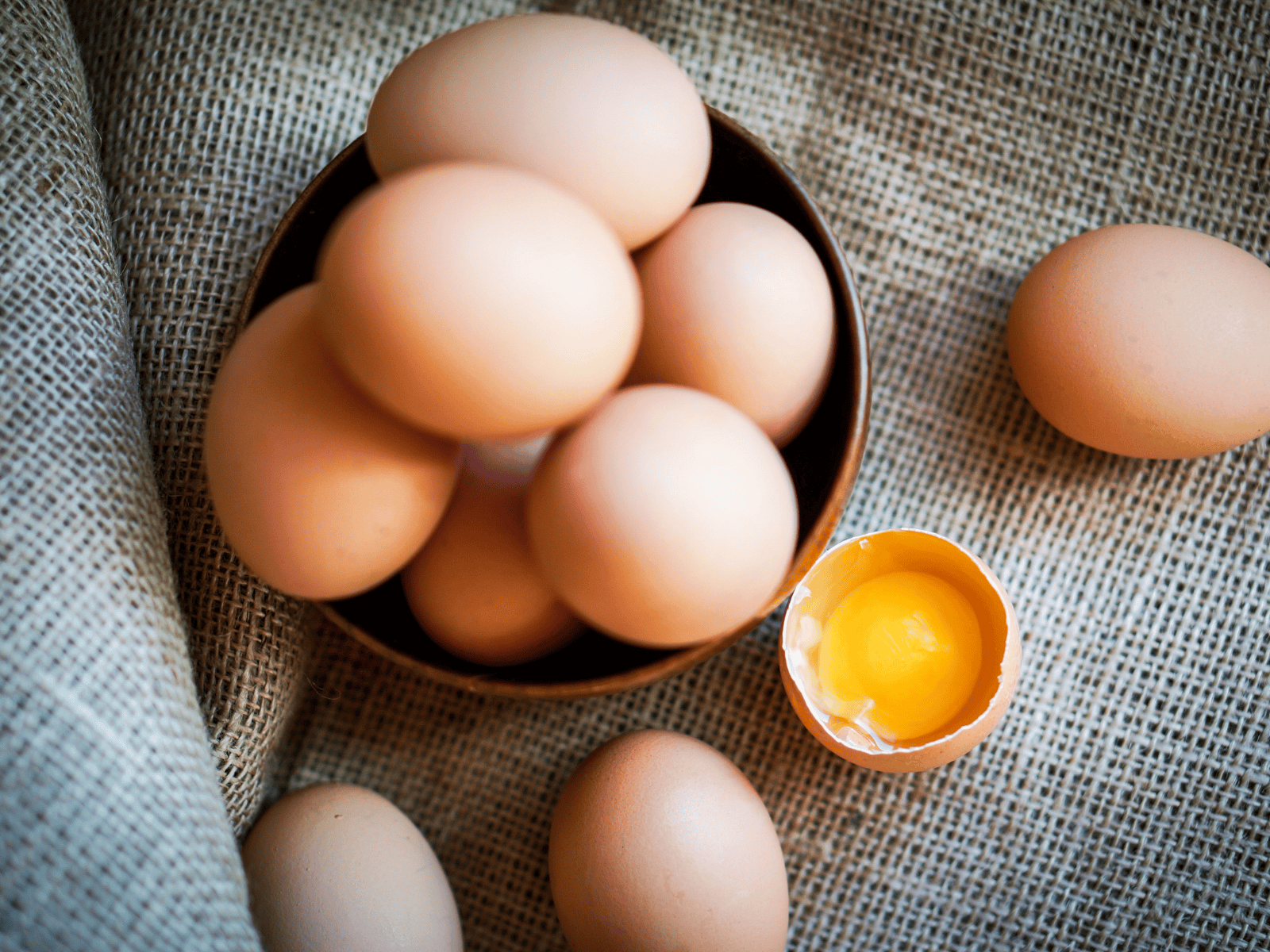
Research by Penn State University found that there was twice as much vitamin E in pasture-raised eggs compared with conventionally raised eggs.
5. Higher Carotene Levels
Carotene, a red-orange pigment that our bodies convert into vitamin A, benefits immune and skin health and more. Pasture raised eggs have twice the amounts of carotene compared with eggs from hens that do not receive any pasture.
6. Less Cholesterol
Based on research performed and published by the National Sustainable Agriculture Information Service (a division of the National Center for Appropriate Technology), pasture-raised eggs in Pennsylvania were found to have lower cholesterol compared to different kinds of eggs. One particular study mentioned measured 1/3 less cholesterol.
Are Pasture-Raised Eggs More Nutritious: A Visual Break-Down
For visual learners, we have broken down the data into the following table that shows what nutritional values are higher in pasture-raised eggs compared with eggs that do not get regular, consistent access to pasture.
| Nutrition | Pasture-Raised |
| Long chain omega-3 | 2x more |
| Omega-3 fatty acids | Over 2x more |
| Vitamin A | 33% more |
| Vitamin E | 2x more |
| Carotene | 2x more |
| Cholesterol | 1/3 less |
Variations Found in the Nutrient Density of Pasture-Raised Eggs
As we mentioned earlier, while the stats are clear that more nutrients are found in pasture-raised eggs, there are some variables that exist. The amount of nutrients found in a pasture-raised egg has been shown to differ depending on the location of the pasture and the time of year in which the study takes place.
According to an article published in Sustainability, a peer-reviewed academic journal, the research on the nutritional value of pasture-raised eggs must include the following: seasonal changes, diet, and pasture availability. All of those different aspects can vary depending on the specific region. There are peak seasons for pasture intake, which directly affect the nutritional value of pasture-raised eggs.
Michigan State University conducted a study of pasture-raised eggs in Ohio and Indiana in September, October, November, and December to see when the nutritional value peaked for pasture-raised eggs. When measuring beta-carotene and total carotenoids (antioxidants) in the yolks of pasture-raised eggs, they found that overall, these were higher in Ohio’s eggs than Indiana’s eggs. The presence of beta-carotene and carotenoids rose throughout the season, peaking in December; in contrast, during the same time, pasture-raised eggs in Indiana decreased in beta-carotene and carotenoids.
On both farms, vitamin E levels spiked in November but then dropped sharply by December. Antioxidant levels varied between the states. Ohio’s pasture-raised eggs consistently had higher total phenolic content (containing antioxidant properties) across the season and contained more omega-3s.
What was the point of this study? The researchers wanted to show that there are limitations to the nutritional value of pasture-raised eggs, which depend on a variety of factors. While all the chickens in Ohio and Indiana were fed the same feed, nutritional value varied throughout the months because it was directly affected by weather conditions, availability of grass forage, and soil nutrients.
How does this affect consumers? When purchasing pasture-raised eggs, remember that research on various nutrients in pasture-raised eggs does not remain consistent at all times of the year and in every location, since many environmental factors are naturally at play.
Frequently Asked Questions
What Are The Disadvantages Of Pasture-Raised Eggs?
While availability is slowly increasing, there is a limited supply of pasture-raised eggs. This is influenced by the extra challenges involved in running a pasture-raised poultry farm. Pasture-raised systems need more space and resources than conventional egg systems, which leads to a lower supply. Some stores or locations may not offer pasture-raised eggs and more notably, pasture-raised eggs are not equally accessible to everyone due to their higher cost. Pasture-raised eggs are often double, even triple, the cost of caged eggs at a local grocery store.
Are Pasture-Raised Eggs Good For Pregnancy?
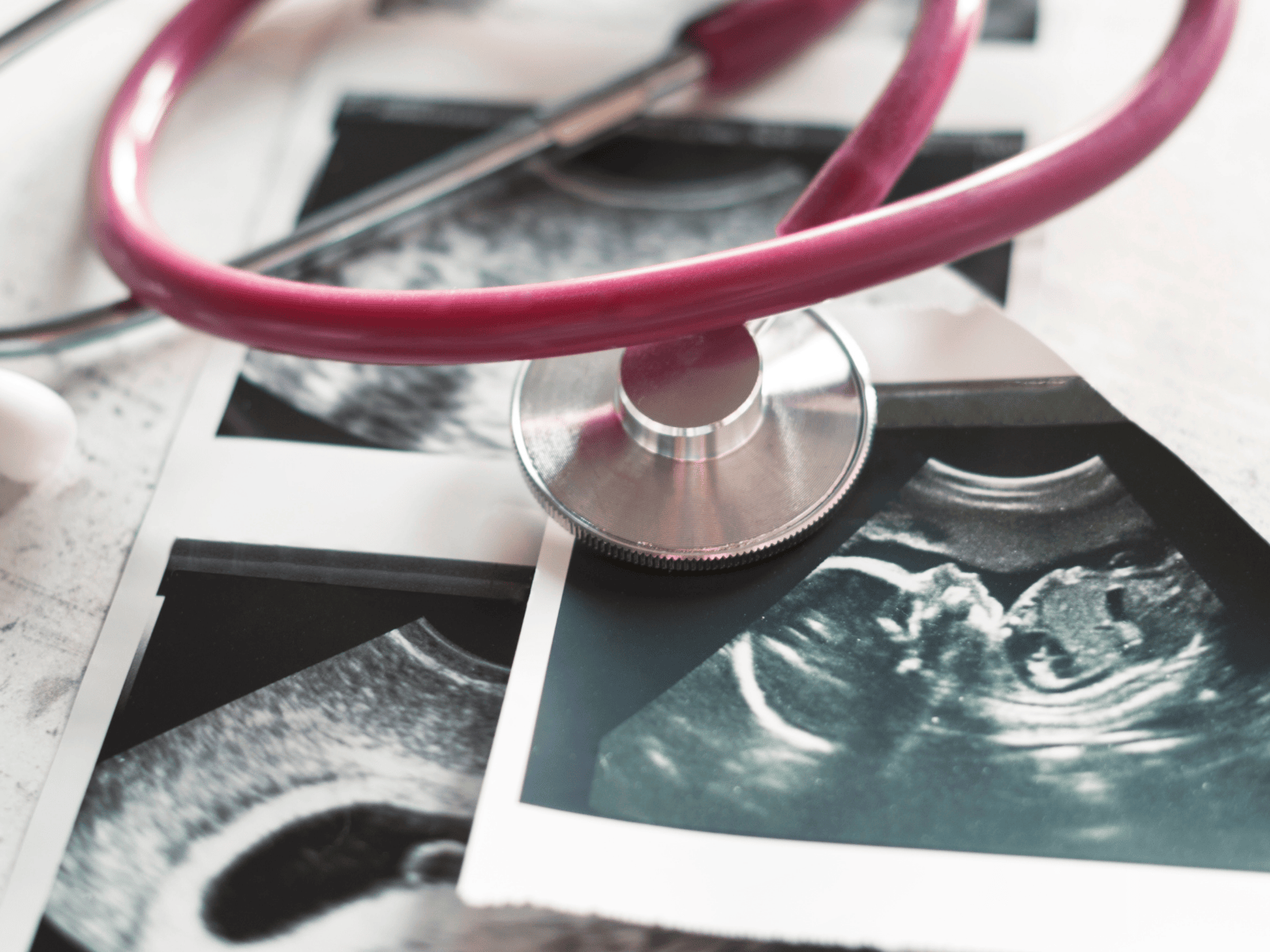
Yes! Pasture-raised eggs are excellent for pregnancy, as one egg provides 1,038 micrograms of folate (sometimes referred to by its synthetic term – folic acid), according to Joel Salatin at Polyface Farms. While not a standard research institution, Salatin and Polyface Farms have considerable hands-on experience in sustainable agriculture and their findings are significant when it comes to considering the health benefits of pasture-raised eggs.
In view of the fact that pregnant women need to consume 600-1,000 mcg of folate daily, pasture-raised eggs may be an effective means of maintaining folate levels without having to rely as much on folic acid supplements. The additional benefits of increased vitamins and healthy fats are all excellent reasons to choose pasture-raised eggs during pregnancy.
*Remember that we are not medical professionals. Always talk to your doctor if you have specific questions about your personal needs when it comes to folate or folic acid during pregnancy.
In view of the fact that pregnant women need to consume 600-1,000 mcg of folate daily, pasture-raised eggs may be an effective means of maintaining folate levels without having to rely as much on folic acid supplements. The additional benefits of increased vitamins and healthy fats are all excellent reasons to choose pasture-raised eggs during pregnancy.
*Remember that we are not medical professionals. Always talk to your doctor if you have specific questions about your personal needs when it comes to folate or folic acid during pregnancy.
Is It Better To Have Free-Range Or Pasture-Raised Eggs?
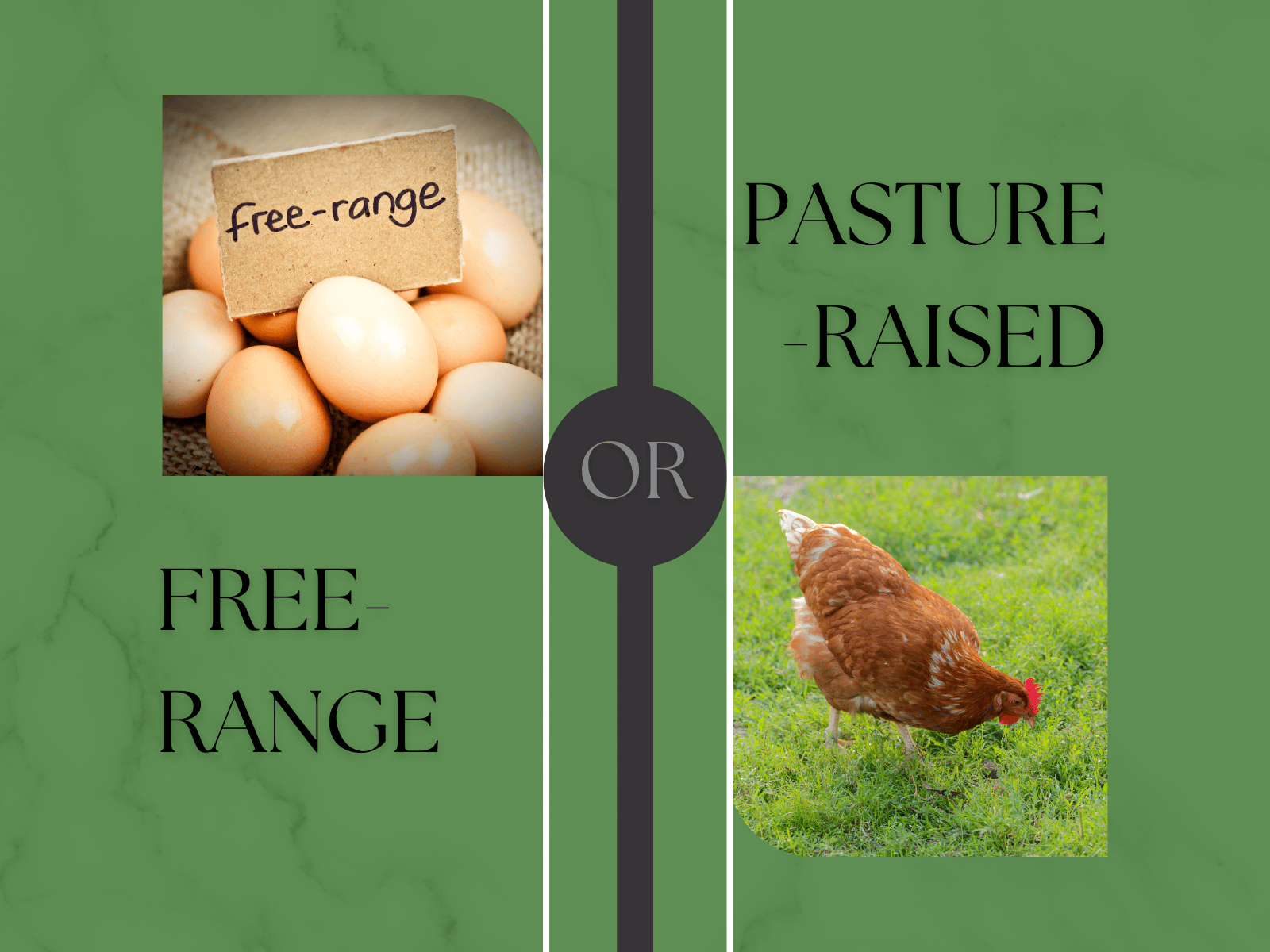
Simply put, pasture-raised eggs are better for consumption than free-range eggs. The FDA requires that hens raised under a free-range system have two square feet of space to forage, which can inevitably lead to overcrowding and not as much opportunity for scavenging. On the flip side, pasture-raised hens are required to have at least 108 square feet of space per hen, leading to a potentially more nutritient dense eggs.
Are Pasture-Raised Eggs Better Than Organic?
First, let’s define some terms. The term “organic” means that hens are not given any genetically modified or synthetic feed or feed components. The term “pasture raised” means that hens are given 108 square feet of space to roam and forage for bugs, grass, and other natural means of nutrition. If eggs are “organic” (given organic feed, not vaccinated, etc), they are not guaranteed to have been pastured. If eggs are “pasture-raised,” we cannot know with confidence that the hens are also avoiding genetically modified or synthetic feed.
As we have reviewed, there is significant nutritional value in pasture-raised eggs, while organic eggs may not share the same level of nutritional value. But keep in mind that the nutritional value of pasture-raised eggs can vary by location and season, plus organic eggs give us confidence that there’s been no synthetic feed or antibiotics. Choosing eggs that are both organic and pasture-raised is the best choice when you’re seeking the highest nutritional quality.
As we have reviewed, there is significant nutritional value in pasture-raised eggs, while organic eggs may not share the same level of nutritional value. But keep in mind that the nutritional value of pasture-raised eggs can vary by location and season, plus organic eggs give us confidence that there’s been no synthetic feed or antibiotics. Choosing eggs that are both organic and pasture-raised is the best choice when you’re seeking the highest nutritional quality.
The Experts Agree: Pasture-Raised Eggs Have Higher Nutritional Value
Studies have proven that pasture-raised eggs are more nutritious than non-pastured eggs. They contain significantly higher amounts of important vitamins and fats – fats that are often sorely missing in the American diet. They support pregnancy by increasing the amount of folate, a crucial vitamin for the healthy formation of an unborn baby. While there are variations to the levels of nutrients when compared with different locations and seasons, overall the conclusion remains unwaveringly positive. Pasture-raised eggs are a great choice for added nutritional value.
Citations in this Article:
Mayo Clinic. https://www.mayoclinic.org/healthy-lifestyle/pregnancy-week-by-week/in-depth/pregnancy-nutrition/art-20045082.
Michigan State University. https://www.mdpi.com/2071-1050/17/7/3208.
National Sustainable Agriculture Information Service. https://ucanr.edu/sites/default/files/2017-12/275174.pdf.
Penn State University. https://www.psu.edu/news/agricultural-sciences/story/research-shows-eggs-pastured-chickens-may-be-more-nutritious?.